
Frostbite: What to Know this Winter

With the snow falling and temperatures dropping, it’s important to talk about a cold-weather danger that often gets overlooked: frostbite.

Frostbite occurs when skin and underlying tissues freeze after being exposed to very cold temperatures. It most commonly affects areas of the body that are exposed and have a smaller blood supply, such as the fingers, toes, ears, nose, and cheeks.
Warning Signs of Frostbite
Recognizing frostbite early is key. Common signs include:
Numbness or loss of sensation in the affected area
Skin that appears white, gray, yellowish, or waxy
Skin that feels firm or hardened
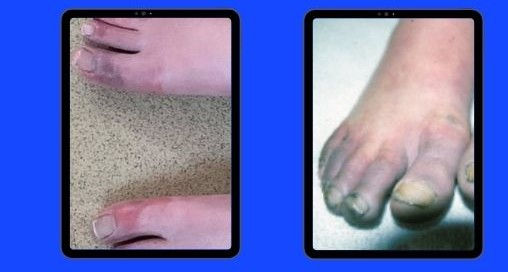
If you notice any of these symptoms, get out of the cold and into a warm environment as soon as possible. When caught early, frostbite can often be reversed with prompt action.
What to Do If You Suspect Frostbite
Once you’re out of the cold:
Remove any tight clothing or jewelry from the affected area, as swelling may occur.
If you can reach an emergency room within a few hours, it’s best to go. Advanced treatments—such as warmed IV fluids and medications that improve blood flow—are most effective within the first 24 hours after frostbite occurs.
If medical care is not available within two hours and you can safely prevent refreezing, you can begin rewarming the area yourself:
Place the affected area in warm (not hot) water.
Keep the water temperature steady at about 98–102°F for roughly 30 minutes, until the skin becomes soft and turns red or purple.
If refreezing cannot be prevented, it is actually safer to keep the area frozen until a stable thaw can be maintained.
What Not to Do
Do not use direct heat sources such as fires, heating pads, or car heaters. Because frostbite causes numbness, you could easily burn yourself without realizing it.
Do not rub or massage the frozen area.
Do not pop or break any blisters that form. Frostbitten tissue is extremely fragile after thawing and needs to be protected.
Taking ibuprofen (400 mg twice daily) may help limit inflammation and tissue damage, but it does not replace proper medical evaluation.
Prevention Is the Best Medicine
As with many health risks, prevention is key:
Avoid prolonged exposure to extreme cold.
Cover your fingers, toes, ears, and face when outdoors.
Avoid alcohol or recreational drugs in cold environments, as they can reduce blood flow and increase the risk of frostbite.

If you have questions about cold weather safety or need guidance during the winter months, Dr Tom Bailey at Mahoning Valley Direct Primary Care is here to help.
Stay healthy—and stay warm—this winter.


Comments