
50 years of age or older? Here are the vaccines you should consider having.

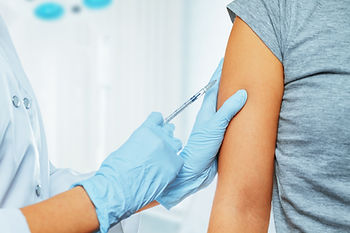
Although there has been significant controversy regarding vaccinations since the COVID-19 outbreak, vaccines remain a very effective means of preventing or minimizing the effects of certain infectious diseases.
Here are the 5 vaccines I recommend for my patients over the age of 50 that you should consider having:
1) Influenza
The flu continues to have a profound impact on adult health in the US, with approximately 40 million cases and 28,000 deaths in the 2023-2024 season alone. The older you are, the more susceptible you are to serious complications from the flu. And those with heart and lung problems and diabetes also have an elevated risk of complications.
And contrary to what you may have heard, the flu vaccine does not “cause” the flu. Most people receiving the flu vaccine are administered the inactive form, meaning it cannot “give” you the flu.
If you get the flu after receiving your shot, it’s because you were already getting sick. The flu shot takes approximately 1-2 weeks to start working after receiving it.
2) Respiratory syncytial virus (RSV)
The RSV vaccine is the new kid on the vaccine block, first approved in 2023. Known for years as a childhood illness in very young children, a lot of adults are not aware that RSV can cause significant illness for them as well.

Those with heart and lung conditions, a weakened immune system, and generally those at an increased age are at highest risk. Contracting the virus can lead to lower respiratory infections, such as pneumonia, which can be deadly.
RSV vaccination is recommended for adults over 75 years, or 60 years of age and older if you have certain health conditions such as heart failure, chronic lung disease, diabetes, kidney failure, and liver disease/cirrhosis.
3) Tetanus/diphtheria/pertussis (Tdap)
Most people know that you should get a tetanus shot after an injury, such as a bad cut. However, it is recommended to have a booster every 10 years regardless of injury status.
The vaccine also provides protection against diphtheria (a rare disease in the US) and pertussis, otherwise known as “whooping cough”. Given the increasing frequency of whooping cough in the last several years, I strongly recommend regular boosters of this vaccine for my patients.
4) Shingles/zoster
Shingles is a complication of having chickenpox as a child. The virus that causes chickenpox (varicella) persists in your body for life after an infection with chickenpox. As you get older, your immunity wears down against the virus, allowing it to come out of its dormant state during periods of illness or stress.
The result is zoster, a painful rash that can produce symptoms for months in some unlucky patients. I have seen enough of these cases over the years to know that you really don’t want shingles.

If you were born in 1995 or later, chances are you had the chickenpox vaccine and hopefully never had the illness as a child. For the rest of us, it’s important to have the two-shot shingles vaccine to boost your immunity against the varicella virus, which should help to minimize your chances of developing a shingles outbreak.
5) Pneumonia
Both viruses and bacteria cause pneumonia. While the pneumonia vaccine won’t protect you from all possible forms, it does protect you against one of the more deadly forms caused by the pneumococcus bacteria.
Previously, pneumonia vaccines were recommended for all health adults 65 years and older. Starting in 2025, the age limit was lowered to all adults 50 and over. Those younger than 50 should strongly consider vaccination if they have other health issues such as heart/lung/kidney/liver disease, HIV, cancer or sickle cell disease.
*You may have noticed I left the COVID-19 vaccine off the list. While it is a vaccine I generally recommend, I am aware of the controversies surrounding its use the last several years. I am also aware of the potential for serious side effects in small groups of people that make it important to have a discussion about its benefits and risks.
Here at Mahoning Valley Direct Primary Care, we recognize that deciding to vaccinate or not vaccinate has become more of a personal choice than ever before. While we believe that vaccine science is sound, we understand that you may have reasons why vaccination may not be right for you. Know that we are here to help you make an informed decision about all aspects of your health, including vaccinations.

Want to learn more?
Give Dr. Thomas Bailey at Mahoning Valley Direct Primary Care a call today!


Comments